Guides
Who Owned Rolls-Royce Before BMW? The Ownership Timeline
Ahmed Salem••10 min read
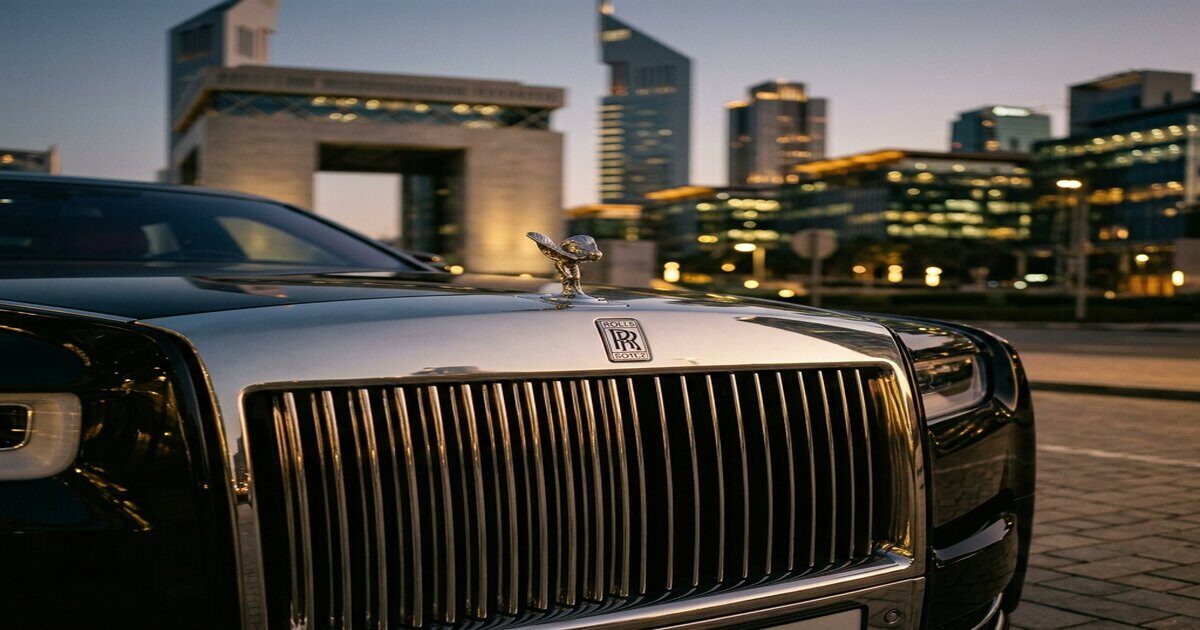
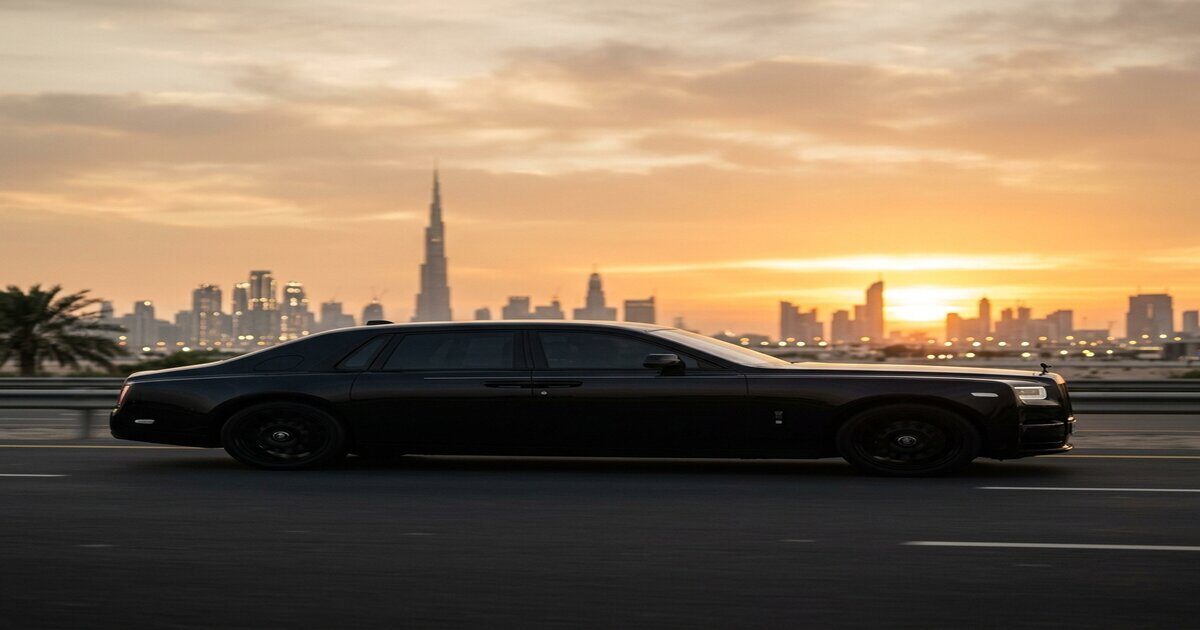
To appreciate the modern fleet of motorcars that glide through the shimmering streets of Dubai, one must understand that their lineage was forged in a furnace of aristocratic passion, national survival, and intense corporate warfare. The modern Rolls-Royce Cullinan or Spectre that awaits you outside the Burj Al Arab is the product of two decades of German-backed perfectionism under the BMW Group. Yet, the story of how this quintessential British institution arrived at its current home is a complex web of triumphs, insolvencies, and high-stakes international bidding wars. For those who seek the deeper story behind the prestige of our rental fleet, we present the definitive historical narrative of Rolls-Royce's ownership journey before it became the jewel of Munich's automotive crown.
💡 Quick Answer: Before BMW Group assumed full control in 2003, Rolls-Royce went through several ownership eras: it was founded as a private partnership in 1904, went public in 1906, was nationalized by the British government in 1971, and was acquired by defense conglomerate Vickers plc in 1980. In 1998, Volkswagen acquired the Crewe factory and Bentley, while BMW secured the rights to the Rolls-Royce brand. Explore this legacy today with Naqra FZE. Contact us via WhatsApp at +971 56 150 3674 or visit our blog.
The Founding Era: Rolls, Royce, and the Pursuit of the Best Car in the World
The journey began in Manchester in May 1904, when the aristocratic importer Charles Rolls met the self-made engineering genius Henry Royce at the Midland Hotel. Royce had built a small, two-cylinder engine of such whispering smoothness that Rolls, who imported noisy French motorcars, immediately recognized its commercial potential. They agreed to sell vehicles under the joint name of Rolls-Royce, establishing a philosophy of engineering excellence that brooked no compromise. The partnership was formally incorporated in 1906 under the guidance of Claude Johnson, who orchestrated the launch of the iconic 40/50 horsepower model, later immortalized as the Silver Ghost. To fund their rapid expansion and build the state-of-the-art Derby factory, the founders launched a public listing in 1906, selling shares to wealthy British industrialists. For decades, this public joint-stock structure allowed the company to grow, surviving the hardships of World War I and expanding into the aviation sector, which would ultimately dictate the company's mid-century destiny. To explore how these early models compare to our modern offerings, you can browse our Rolls-Royce Ghost page.
Nationalisation in 1971: The Collapse Born of the Skies
By the middle of the twentieth century, Rolls-Royce was a national champion of British industry, famed for both its luxury saloons and its high-performance jet engines. It was this dual identity that led to its undoing. In the late 1960s, the aerospace division committed to developing the RB211 turbofan engine for the Lockheed L-1011 TriStar. The project suffered from massive technological hurdles and crippling development costs, pushing the company into insolvency by 1971. Recognising that the collapse of Rolls-Royce would threaten British national defense, the Conservative government of Edward Heath took the dramatic step of nationalising the entire company. For two years, the British state owned the marque in its entirety. Realizing that the luxury car division had little in common with jet engine manufacturing, the government split the company in 1973. The aerospace division remained state-owned as Rolls-Royce plc, while the automotive operations were spun off as a separate public company, Rolls-Royce Motors. For a broader overview of how this split affected the subsequent decades of manufacturing, check out our article on Separating the Cars From the Jet Engines.
The Vickers Era: Crewe and the Struggle for Independent Survival
In 1980, the British defense and engineering conglomerate Vickers plc purchased Rolls-Royce Motors, reuniting it under private corporate control at the historic Crewe factory, which had also been the home of Bentley since Rolls-Royce acquired it in 1931. Throughout the 1980s and early 1990s, Vickers managed both marques, but the challenges of maintaining two ultra-luxury brands in an era of rapidly advancing technology and tightening emissions regulations proved overwhelming. Developing modern chassis, electronics, and engines required billions of dollars in capital—funds that a mid-sized conglomerate like Vickers simply could not justify spending. This capital deficit led to chronic reliability issues, particularly in the electrical systems and hydraulic suspension components of pre-BMW models. Realizing they could not survive alone, Vickers partnered with BMW in 1994 to source V8 and V12 engines for the next generation of cars, specifically the Rolls-Royce Silver Seraph and the Bentley Arnage. This technological dependence laid the groundwork for the corporate duel that would soon shock the automotive world.
- 1904: The historic Manchester meeting between Charles Rolls and Henry Royce.
- 1906: Public incorporation and the launch of the legendary Silver Ghost.
- 1971: Bankruptcy due to aerospace development costs and nationalisation by the state.
- 1973: The company is split into Rolls-Royce plc (aerospace) and Rolls-Royce Motors (cars).
- 1980: Vickers plc acquires Rolls-Royce Motors to bring it back to private ownership.
- 1994: Engine supply partnership with BMW begins to support the aging Crewe product lineup.
The 1998 Corporate Duel: BMW, Volkswagen, and the Split of Crewe
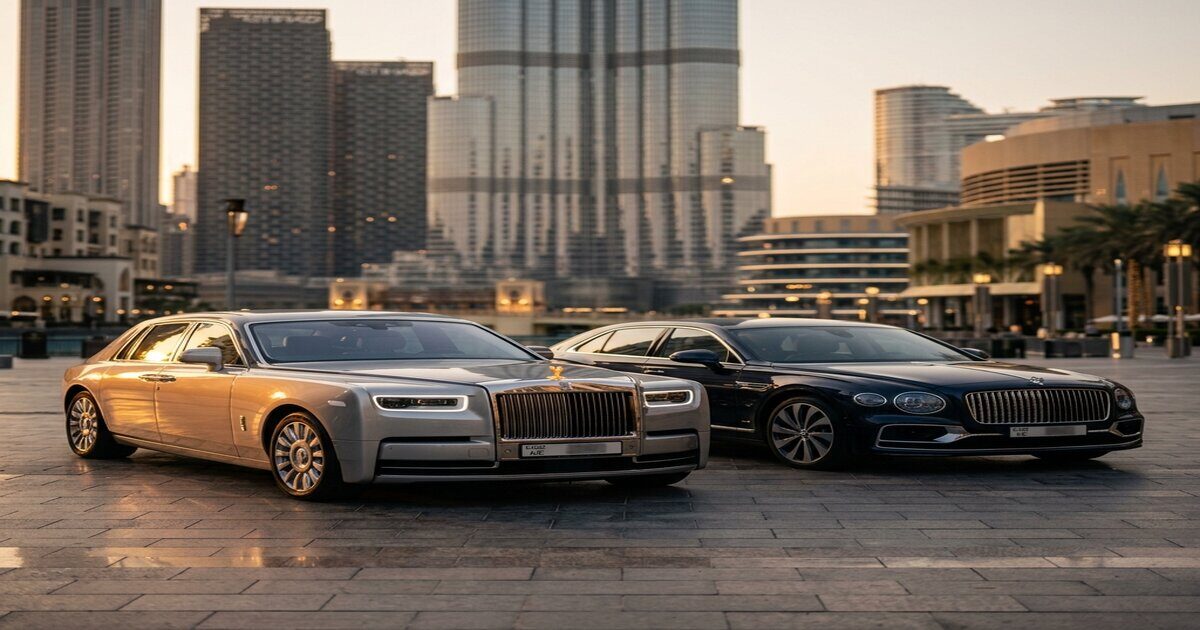
In 1997, Vickers decided to sell Rolls-Royce Motors. BMW, the existing engine supplier, was the preferred bidder, offering £340 million. However, Ferdinand Piëch, the aggressive leader of Volkswagen Group, blindsided the industry by bidding £430 million, securing the purchase of the Crewe factory, the vehicle designs, and the Bentley brand. Volkswagen believed they had won the entire prize, but they overlooked a critical detail: the Rolls-Royce name and RR logo were not owned by Vickers, but were registered trademarks of the aerospace giant Rolls-Royce plc. The aerospace board, which had a close relationship with BMW through an aviation engine joint venture, decided to license and sell the rights to the Rolls-Royce name and Spirit of Ecstasy to BMW for just £40 million. This created a bizarre standoff: VW had the factory and designs but no rights to build Rolls-Royces, while BMW had the brand rights but no factory. The two German giants reached a compromise: VW would manufacture Rolls-Royce cars at Crewe until the end of 2002, after which the brand would transfer completely to BMW, who would build a brand-new home for the marque. To understand how this division shaped the luxury market, you can read our comparison Two Marques, Two Owners.
The Goodwood Renaissance: German Engineering Meets British Craftsmanship
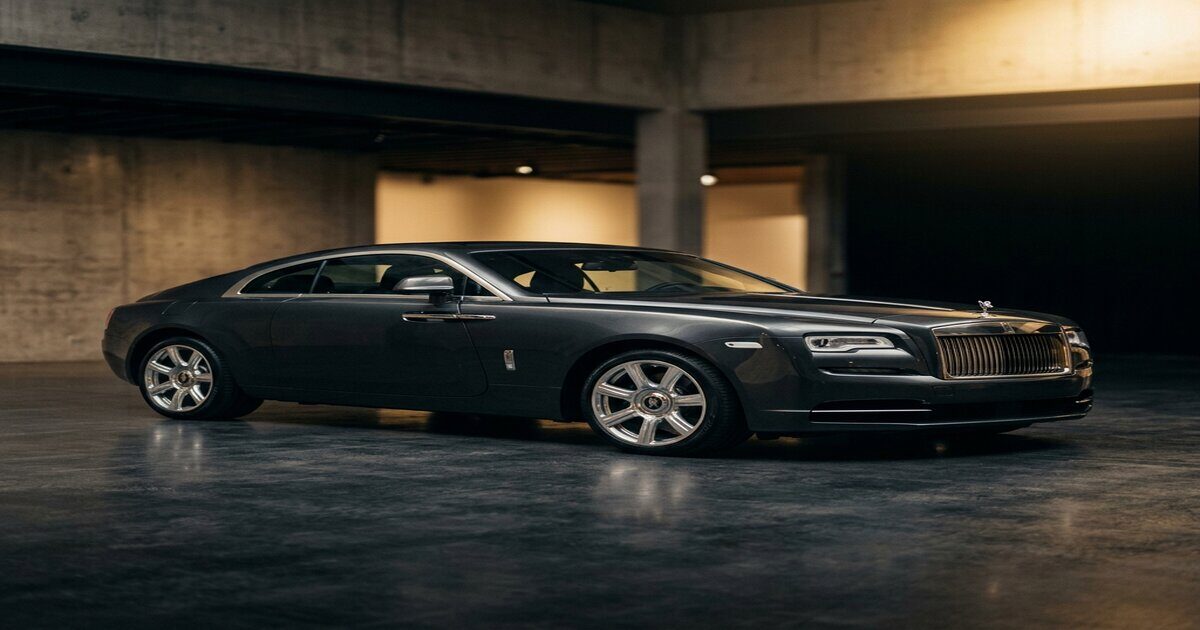
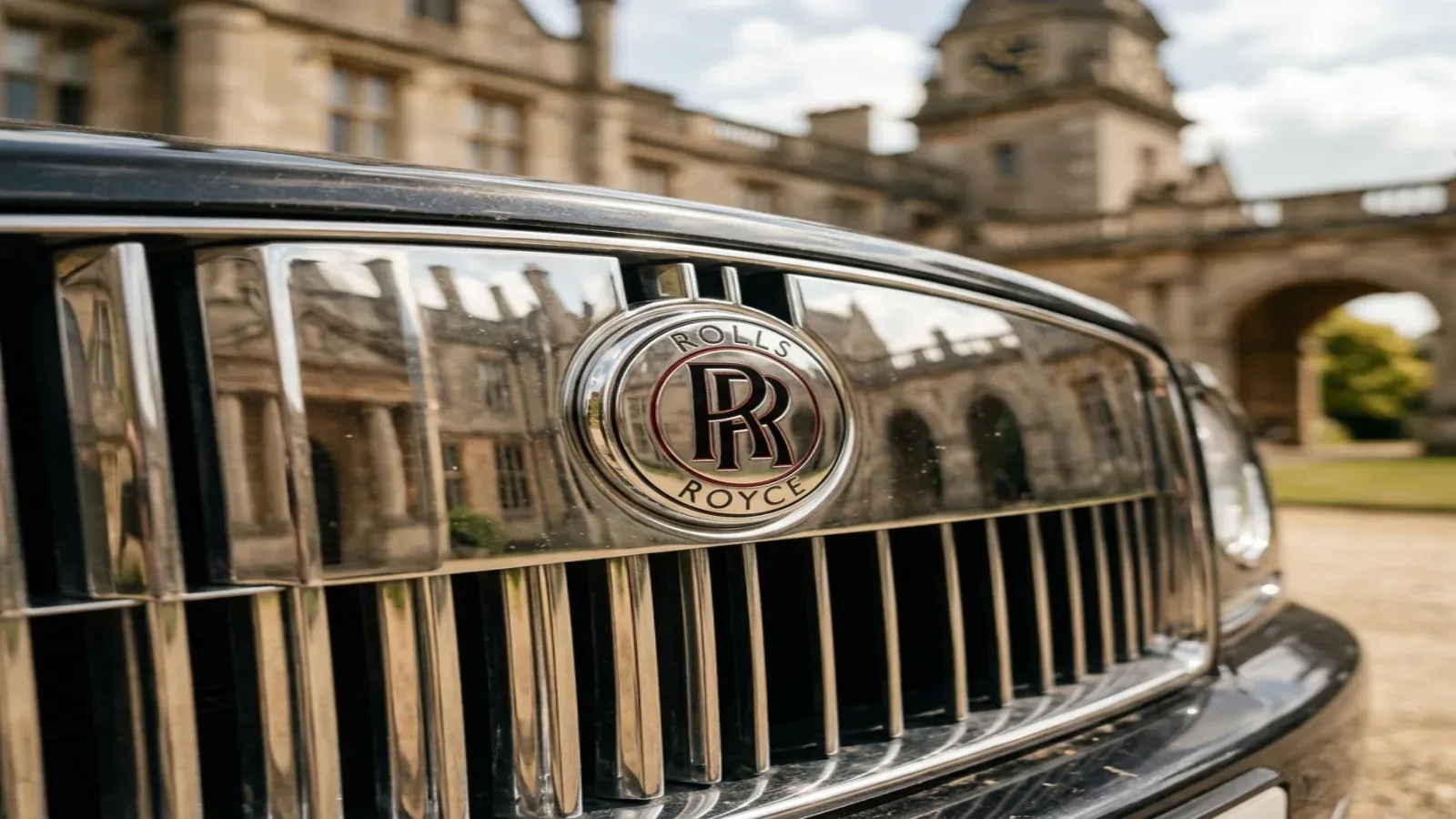
On January 1, 2003, BMW officially assumed full control and opened the doors to a clean-sheet, state-of-the-art facility in Goodwood, West Sussex. Under BMW's custodianship, the marque experienced a mechanical renaissance. The pre-BMW era, though rich in hand-stitched leather, was often plagued by temperamental British electronics and mechanical systems that required constant, specialized attention. BMW addressed these issues by pairing British craftsmanship with German electronic architectures, rigid aluminum spaceframes, and highly refined V12 powertrains. Today, when you hire a vehicle from our fleet in Dubai, you are experiencing the zenith of this engineering marriage. The reliability of our cars is absolute, allowing you to glide down Sheikh Zayed Road or park in the high-profile valets of Downtown Dubai with complete confidence. At Naqra FZE, we offer our clients access to these modern masterpieces. A Rolls-Royce Phantom rental in Dubai starts from AED 5,800 per day, while the commanding Cullinan SUV is available from AED 6,500 per day. For those who prefer a sporty saloon, the modern Ghost is offered at AED 3,800 per day, and the all-electric Spectre coupe can be secured from AED 7,500 per day. All rentals are managed by our professional concierge team, who ensure that your experience is as seamless and reliable as the vehicle itself.
Frequently Asked Questions
Who owned Rolls-Royce before BMW bought it?
Before BMW assumed ownership, Rolls-Royce Motors was owned by the British engineering and defense conglomerate Vickers plc. Vickers bought the car division in 1980 and operated it out of the Crewe factory alongside Bentley until the sale to Volkswagen and the subsequent brand transfer to BMW in 1998.
Why did Volkswagen end up with Bentley instead of Rolls-Royce?
During the 1998 bidding war, Volkswagen bought the physical assets of Rolls-Royce Motors (the Crewe factory and the designs) from Vickers. However, the rights to the Rolls-Royce brand name were owned by the aerospace company Rolls-Royce plc, which licensed and sold those rights to BMW. After negotiations, it was agreed that BMW would take Rolls-Royce, while Volkswagen would keep the Crewe factory and the Bentley brand.
What was the difference between Rolls-Royce Motors and Rolls-Royce plc?
Rolls-Royce plc is the aerospace company that manufactures commercial and military jet engines. Rolls-Royce Motors was the automotive division. The two were split in 1973 following the company's bankruptcy and nationalisation in 1971, allowing the car division to operate as a separate entity.
Are modern Rolls-Royce cars more reliable than pre-BMW models?
Yes. Pre-BMW models built at Crewe were beautiful but often suffered from reliability issues in their complex hydraulic and electrical systems. Since BMW took ownership and moved production to Goodwood, the cars use German electronic architectures and engineering standards, resulting in modern levels of mechanical reliability.
How can I experience a modern Rolls-Royce in Dubai?
You can experience the absolute peak of modern Rolls-Royce engineering by renting from Naqra FZE's fleet. We offer self-drive and chauffeured rentals across Dubai, with prices starting from AED 3,800/day for the Ghost. Contact our reservation team directly on WhatsApp at +971561503674 to check availability.
Experience the legacy of Goodwood engineering in Dubai. Reserve your Rolls-Royce today.
Explore FleetAbout the Author
Ahmed Salem is a luxury automotive expert with extensive experience in Dubai's premium car rental market. Passionate about delivering exceptional experiences through the world's finest automobiles.