Heritage
Who Owned Rolls-Royce? A Timeline From Royce to BMW
Editorial Team••10 min read
💡 Quick Answer: Founded in 1904 by Charles Rolls and Henry Royce, Rolls-Royce went public in 1906, was nationalized in 1971, acquired by Vickers in 1980, and split in 1998 where BMW Group acquired the automotive division (since 2003). Experience this heritage in Dubai by contacting us on WhatsApp: +971 56 150 3674.
🛎️ From Our Dubai Concierge Operations
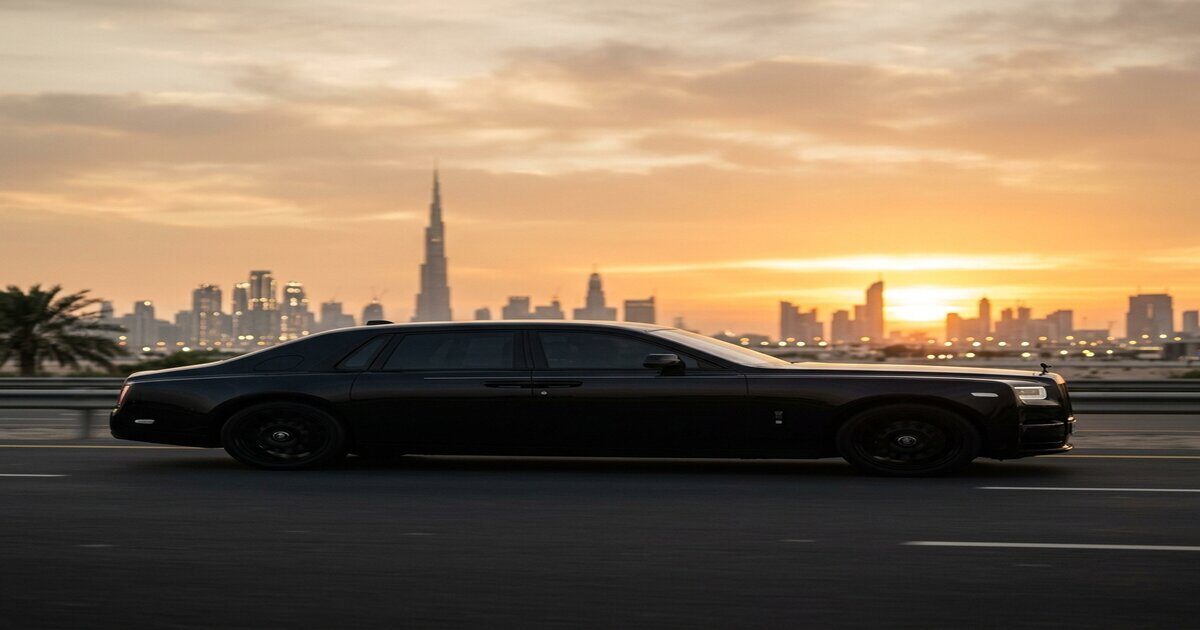
Our rental fleet highlights the peak of the BMW-era engineering. We manage delivery directly to luxury residential complexes in Downtown Dubai, Marina, and Emirates Hills.
The Legendary 1904 Founding and Early Ownership
To understand the current state of luxury motoring in Dubai, one must first come to terms with the history of the machines we manage. In 1904, a meeting took place at the Midland Hotel in Manchester that would forever change the concept of automotive travel. Charles Rolls, an aristocratic importer of foreign motorcars who possessed a rare appetite for speed, met Henry Royce, an engineer of humble origins obsessed with mechanical perfection. It was an unlikely partnership of blue blood and grease-stained hands. Royce had built a two-cylinder car of such quiet refinement that Rolls, upon driving it, immediately agreed to sell every vehicle Royce could manufacture, under the name Rolls-Royce. The arrangement was built on a simple premise: to engineer motorcars that operated so quietly they felt almost supernatural. For those interested in the finer details of how this partnership evolved over the decades, our blog archive contains several explorations of their early mechanical breakthroughs. It was a time when reliability was not a marketing buzzword but a matter of survival, as early motorists routinely risked being stranded in the English countryside by lesser machines. For more options and details, you can visit our luxury fleet page to compare all available models.
The Silver Ghost and the 1906 Public Listing
Under the guidance of Claude Johnson, whom many called the hyphen in the Rolls-Royce name, the partnership was formally incorporated in 1906. Johnson recognized that building a handful of bespoke motorcars was a hobby, not an empire. He orchestrated the launch of the 40/50 horsepower model, later christened the Silver Ghost, which ran for weeks on end with almost no maintenance. The car was painted silver and its mechanical components were polished to perfection, establishing the brand as the standard by which all other engineering was judged. To raise the capital necessary to expand the Derby works, Rolls-Royce went public in late 1906, offering shares to an eager class of wealthy British industrialists. This transition from a private partnership to a publicly traded joint-stock company laid the corporate foundation for the marque's global expansion, ensuring that the company remained well-capitalized through the turbulent years of the early twentieth century. For more options, you can browse our luxury fleet page to compare all available models.
Nationalisation and the 1971 Aerospace Split
The first major existential crisis for the company arrived not from the automotive side, but from the skies. During World War II, Rolls-Royce became the primary manufacturer of aero engines for the Allied forces, most notably the Merlin engine that powered the Spitfire. This defense-focused manufacturing continued into the Cold War. However, by the late 1960s, the company committed itself to developing the highly advanced RB211 turbofan jet engine for commercial aircraft. The development costs were so astronomically high and the contracts so poorly structured that by 1971, Rolls-Royce was declared insolvent. To prevent the collapse of a vital national defense asset, the Conservative government of Edward Heath took the unprecedented step of nationalising the entire company. The British state remained the sole owner of the brand for two years before realizing that mixing defense aviation with luxury car manufacturing was a recipe for corporate confusion. For more options, you can browse our luxury fleet page to compare all available models.
- In 1973, the British government separated the high-risk aerospace division, Rolls-Royce plc, from the automotive division, Rolls-Royce Motors.
- Rolls-Royce Motors was spun off as a standalone public company to insulate the luxury motor car operations from the massive turbine development costs.
- In 1980, the British defense and engineering conglomerate Vickers plc acquired Rolls-Royce Motors, bringing the brand back to private ownership.
- Vickers managed the marque for nearly two decades from the historic Crewe factory, introducing the Silver Spirit and Silver Spur models to global buyers.
- By the mid-1990s, the increasing complexity of international emissions standards forced Vickers to seek an external engine supplier, partnering with BMW.
The Vickers Era: Crewe and the Fight for Survival
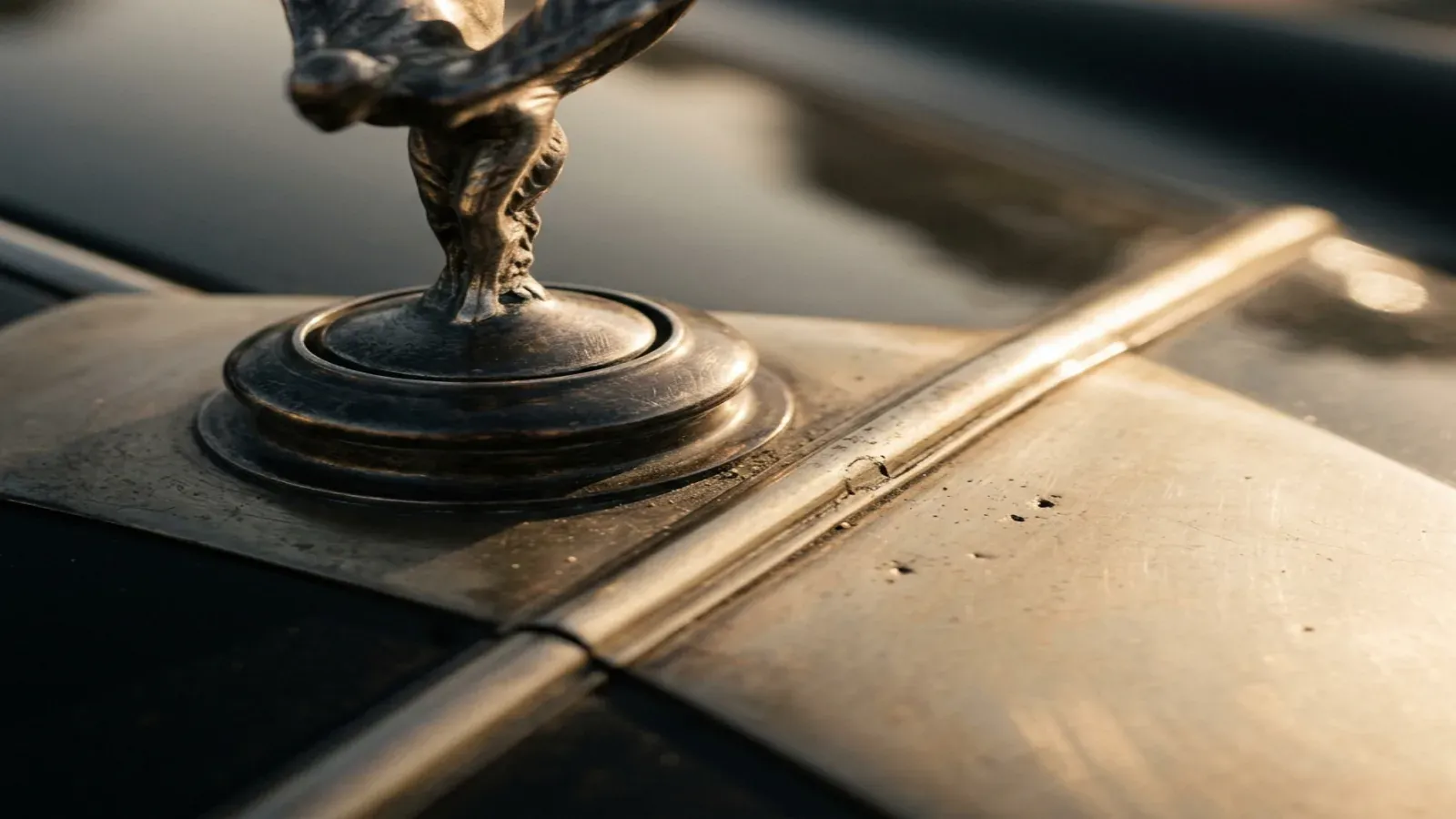
During the Vickers era, Rolls-Royce Motors shared a home with Bentley at the historic Crewe works. Vickers consolidated the manufacturing processes and worked to modernize the assembly lines, but the company remained a relatively small player in an increasingly consolidated global automotive market. Developing entirely new engines, gearboxes, and electronic platforms that could meet modern safety and environmental standards required billions of dollars in capital—funds that Vickers simply did not possess. To keep the model range competitive, Vickers negotiated a strategic partnership with BMW in 1994, sourcing V8 and V12 powerplants and advanced cabin electronics for the upcoming Rolls-Royce Silver Seraph and Bentley Arnage. This partnership kept the cars relevant, but it also made Rolls-Royce increasingly dependent on German technology, setting the stage for one of the most dramatic ownership battles in automotive history.
The 1998 Separation: BMW and Volkswagen's Strategic Duel
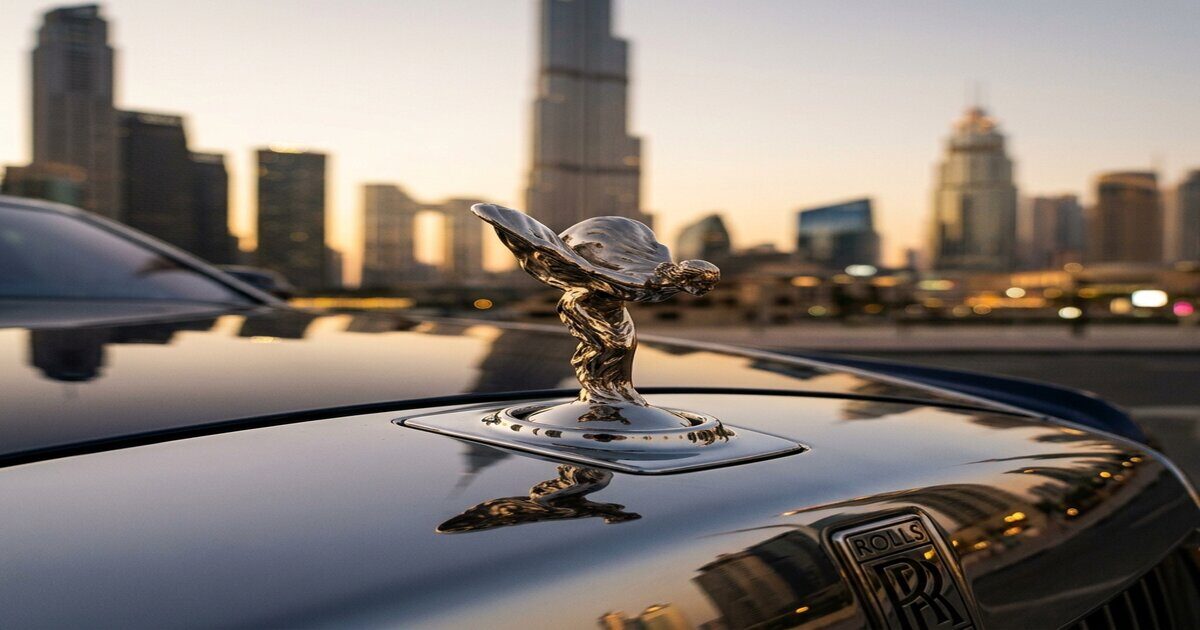
In 1997, Vickers decided to put Rolls-Royce Motors up for sale. BMW, already supplying the engines, was the natural suitor and offered £340 million. However, Ferdinand Piëch, the ambitious head of Volkswagen Group, outbid BMW with a massive £430 million offer. Volkswagen assumed they had won the crown jewel of British motoring, acquiring the Crewe factory, the designs of the current models, and the rights to Bentley. But they had overlooked a critical legal detail: the Rolls-Royce brand name, the trademark logo, and the Spirit of Ecstasy mascot were owned not by Vickers, but by the aerospace company Rolls-Royce plc. The aerospace board decided to license these intellectual property rights to BMW for a modest £40 million, preferring their long-standing joint venture partner in jet engines. This left VW in possession of the factory but without the rights to build a single Rolls-Royce, while BMW owned the brand but had no factory or designs. After tense negotiations, a compromise was reached: VW would build Rolls-Royces at Crewe until 2002, after which the brand would transfer entirely to BMW, leaving VW with Bentley.
Under BMW Group: The Goodwood Renaissance
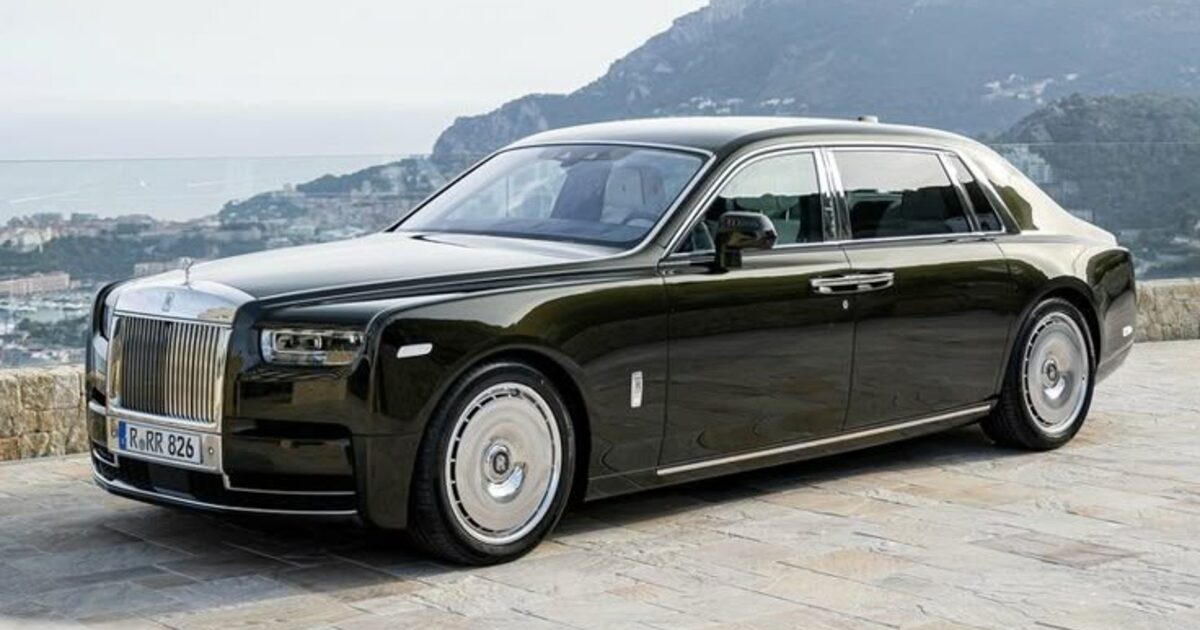
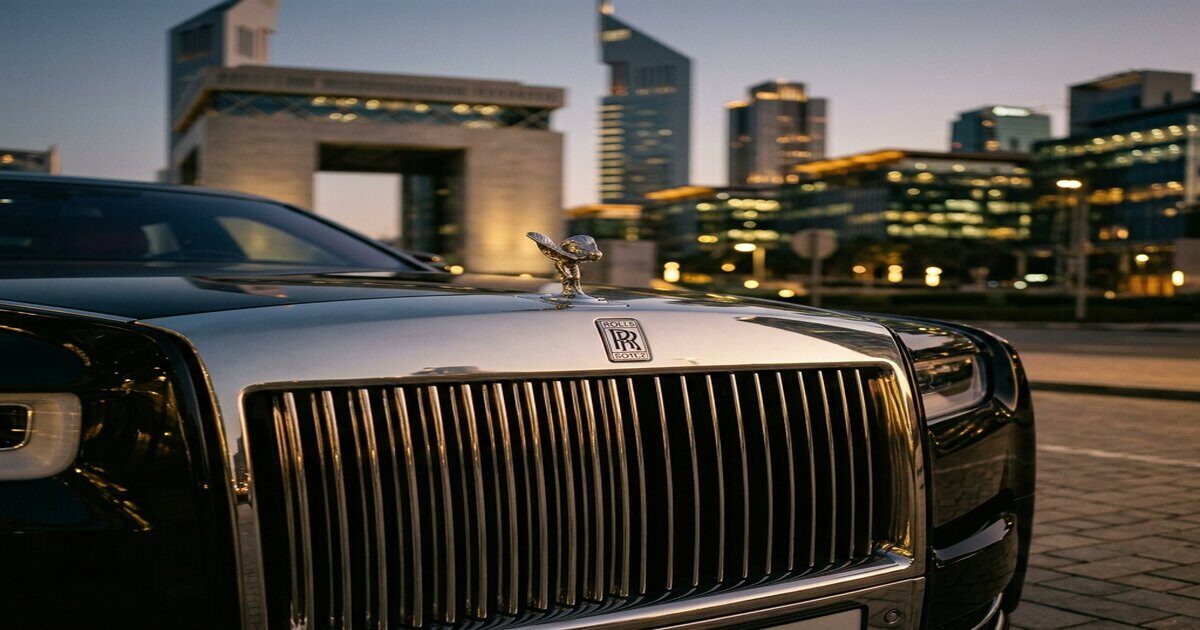
On January 1, 2003, the ownership transition was complete. BMW Group established a brand-new corporate entity, Rolls-Royce Motor Cars, and opened a state-of-the-art headquarters and manufacturing plant at Goodwood in West Sussex. The first car to leave the line was the Phantom VII, a vehicle that redefined ultra-luxury for the twenty-first century. Rather than diluting the brand, BMW's custodianship has provided the immense engineering resources and financial stability needed to develop modern masterpieces. Today, our guests in Dubai can experience the fruit of this renaissance. Whether you are driving a sleek saloon through the Financial Centre or taking a commanding SUV to the desert, our current fleet showcases the absolute pinnacle of Goodwood craftsmanship. This period of ownership has proved to be the most stable and successful in the brand's long history, proving that German engineering and British luxury can coexist in perfect harmony.
The Separation of Spirit and Metal
The split of 1998 had profound consequences for both marques. Bentley, remaining at Crewe under Volkswagen's ownership, pivoted towards a more sporty, high-performance character, appealing to drivers who prefer to hold the steering wheel themselves. Rolls-Royce, under BMW, committed itself to the pursuit of absolute, uncompromising luxury and the signature 'Magic Carpet Ride' suspension. The creation of the Goodwood facility allowed Rolls-Royce to build a clean-sheet design team, ensuring that every vehicle was engineered from the ground up to isolate its passengers from the outside world. This clear division of labor has allowed both brands to flourish under separate German parentage, turning a chaotic corporate divorce into a triumph of modern industrial strategy that continues to shape the global luxury car market today.
In summary, the ownership of Rolls-Royce has shifted from a private British partnership to a public corporation, survived a period of state control, and survived a dramatic corporate duel to find its modern home within the BMW Group. This century of transformation has preserved the core ethos of Charles Rolls and Henry Royce. If you wish to experience this living history for yourself on the streets of the United Arab Emirates, our team is ready to assist. You can coordinate your reservation directly with our concierge team by messaging us on WhatsApp at +971 56 150 3674, where we manage bespoke delivery to your residence, hotel, or private terminal.
Drive a piece of living history in Dubai today.
Explore FleetFrequently Asked Questions
Who currently owns the Rolls-Royce car company?
BMW Group owns Rolls-Royce Motor Cars. It has been a fully owned subsidiary of BMW since 1998, with production and assembly based at Goodwood, England since 2003.
Did Volkswagen ever own Rolls-Royce?
Volkswagen briefly owned the assets of Rolls-Royce Motor Cars, including the Crewe factory and vehicle designs, between 1998 and 2002. However, they did not acquire the rights to the Rolls-Royce brand name and trademark, which remained with the aerospace parent Rolls-Royce plc and was subsequently licensed and sold to BMW. Volkswagen retains ownership of Bentley.
What is the difference between Rolls-Royce plc and Rolls-Royce Motor Cars?
Rolls-Royce plc is an independent British aerospace and defense company that manufactures aircraft engines and marine propulsion systems. Rolls-Royce Motor Cars is the luxury car manufacturer, which is a wholly owned subsidiary of the German BMW Group. The two companies have been separate corporate entities since their division in 1973.
Where are Rolls-Royce cars made today?
Modern Rolls-Royce motor cars are hand-built exclusively at the Home of Rolls-Royce at Goodwood in West Sussex, England. The facility was custom-built by BMW Group and opened in 2003 to serve as the global headquarters, engineering hub, and design studio for the marque.
Are Rolls-Royce engines made by BMW?
Yes, modern Rolls-Royce vehicles utilize twin-turbocharged V12 engines developed and manufactured by BMW Group, though they are specifically tuned and optimized to deliver the signature Rolls-Royce 'waftability' and silent power. Earlier pre-1998 models used traditional British-designed V8 and V12 engines built at the Crewe factory. You can also check our rental pricing page for complete rates.
About the Author
Editorial Team is a luxury automotive expert with extensive experience in Dubai's premium car rental market. Passionate about delivering exceptional experiences through the world's finest automobiles.